
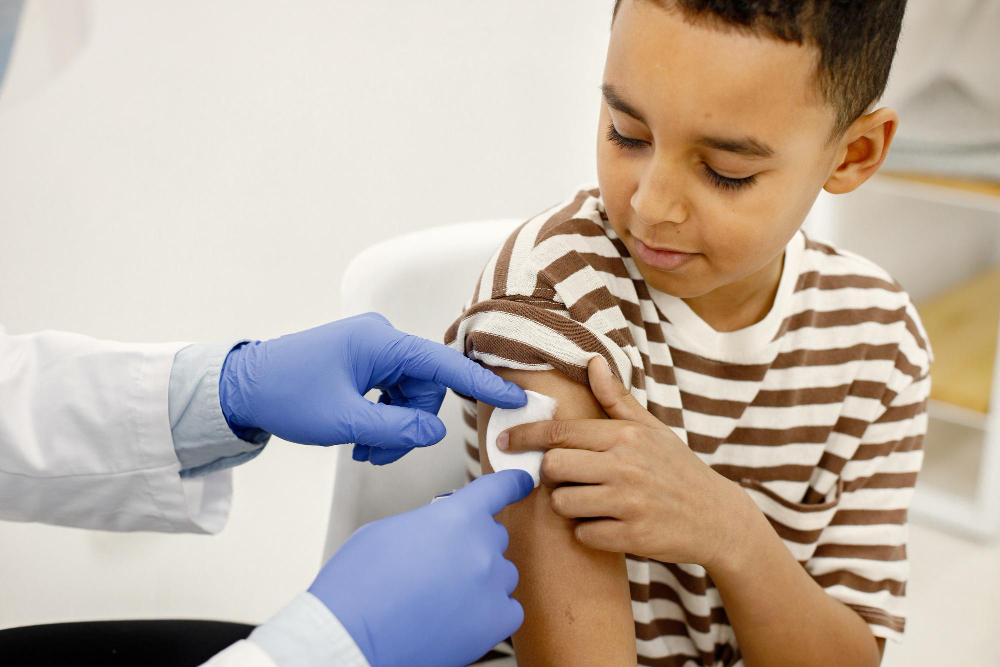
What Are Vaccinations in Children?
Vaccinations in children are shots or drops that help protect kids from serious diseases. These vaccines teach the body to fight germs before they can cause illness. In most cases, children get vaccines at the doctor’s office or a clinic. Because vaccines are given at certain ages, following the childhood vaccination schedule is important.
Why Are Childhood Vaccinations Important?
First, vaccines save lives. They prevent diseases that once caused many deaths in children. For example, polio and measles are now rare in the United States because of vaccines. In addition, vaccines protect not just your child, but also others in your community. When most children are vaccinated, diseases have less chance to spread. This is called herd immunity. As a result, even babies who are too young for some shots stay safer.
Recommended Vaccination Schedule for Children
The Centers for Disease Control and Prevention (CDC) provides a childhood vaccination schedule. This schedule shows when each vaccine should be given. Sticking to this schedule helps keep children protected at the right times. Below is a general outline:
However, your doctor may adjust the schedule for your child’s needs. For the most up-to-date information, always check with your pediatrician or visit the CDC website.
Common Vaccines and What They Prevent
Many vaccines are given during childhood. Each one protects against a different disease. For example:
Because each vaccine targets a specific illness, following the full schedule gives the best protection.
Vaccine Safety and Side Effects
Many parents ask about vaccine safety for kids. Vaccines are tested for safety before they are approved. In fact, the CDC and World Health Organization (WHO) monitor vaccines closely. Most side effects are mild and go away quickly. For example, your child may have a sore arm, mild fever, or fussiness. Serious side effects are very rare. If you notice anything unusual, contact your doctor right away. Overall, the benefits of vaccines far outweigh the risks.
Addressing Common Myths and Concerns
Some parents worry about vaccines. However, many common myths are not true. For instance, vaccines do not cause autism. Many studies have shown no link between vaccines and autism. Also, giving several vaccines at once is safe. The immune system can handle many germs every day. If you have concerns, talk with your child’s doctor. They can give you facts and answer your questions.
Tips for Parents on Preparing for Vaccinations
Getting ready for your child’s shots can help make the visit easier. Here are some tips:
Because some children feel nervous, staying calm and positive helps a lot.
Prevention and Public Health Impact
Vaccinations in children do more than protect one child. They help stop outbreaks in schools and communities. For example, when most children are vaccinated, diseases like measles cannot spread easily. This keeps everyone safer, especially those who cannot get vaccines for medical reasons. In summary, vaccines are a key part of public health.
Conclusion
In conclusion, vaccinations in children are safe, effective, and vital for good health. They protect your child and others from serious diseases. For the best results, follow the childhood vaccination schedule. If you have questions about vaccine safety for kids, ask your pediatrician. Consult pediatrician Dr. Praveen Dharaskar for personalized vaccination advice for your child.