
What Is Vestibular Rehab?
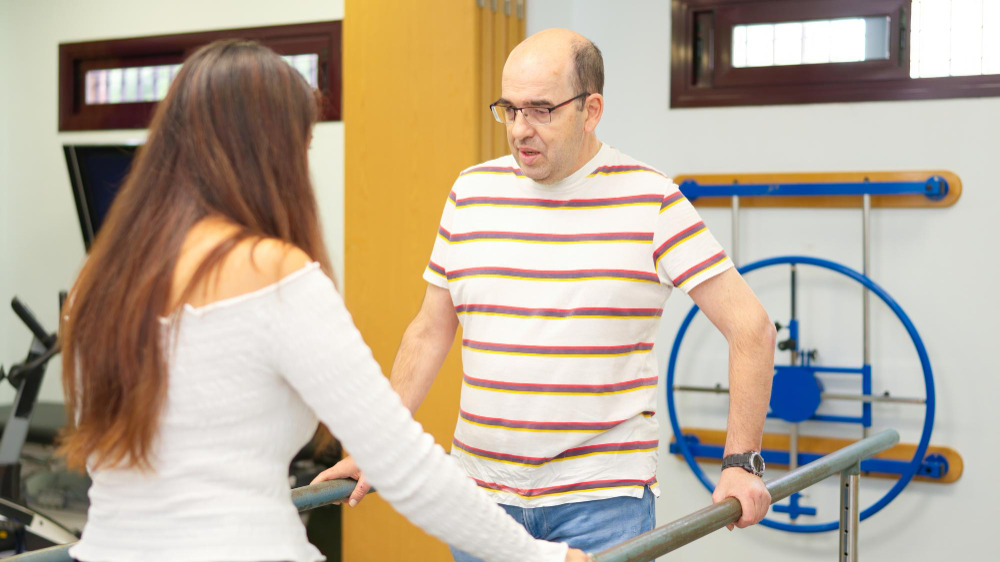
Vestibular rehab is a special therapy for people with balance or dizziness problems. It helps your brain and body work together to keep you steady. Many people need vestibular rehab after an inner ear problem or injury. Because balance is so important for daily life, this therapy can make a big difference. If you search for “vestibular rehab near me,” you may find clinics that offer this care.
Common Symptoms Treated by Vestibular Rehab
Many people with balance issues feel unsure or dizzy. Sometimes, these symptoms make daily tasks hard. Vestibular rehabilitation therapy can help with:
For example, if you feel dizzy when turning your head, vestibular rehab may help.
Causes of Vestibular Disorders
Several things can cause balance problems. Often, the inner ear is involved. The inner ear helps control balance. However, other causes include:
Because these causes vary, a doctor will check your symptoms carefully.
How Vestibular Rehab Is Diagnosed and Assessed
First, your doctor or therapist will ask about your symptoms. Next, they may do simple tests to check your balance and eye movements. Sometimes, special machines help measure how your body reacts to movement. In many cases, you may also have hearing tests. This full check-up helps create a plan just for you.
The Vestibular Rehab Treatment Process
After your assessment, your therapist will design a program for you. Usually, vestibular rehab includes exercises that help your brain adjust. These exercises are safe and gentle. For example, you may practice moving your head or eyes in certain ways. Over time, your body learns new ways to keep you steady. Common parts of vestibular rehab include:
Because everyone is different, your plan may change as you improve.
Expected Outcomes and Benefits
With regular therapy, many people feel better in a few weeks. Some benefits of vestibular rehab are:
However, results can vary. Some people need more time, especially if symptoms have lasted a long time. According to the CDC, early treatment often leads to better results.
Lifestyle Tips and Self-Care Guidance
While you work on your rehab, simple steps at home can help. For example, you can:
Additionally, let friends or family know if you feel dizzy. They can help keep you safe.
Prevention and When to Seek Professional Help
Although not all balance problems can be prevented, you can lower your risk. For instance, wear proper shoes and avoid sudden head movements. If you notice new or worsening dizziness, see a doctor. Early care can stop problems from getting worse. If you have trouble walking, frequent falls, or spinning feelings, seek help right away. Vestibular rehab can offer relief and improve your safety.
Conclusion: Take the Next Step
In summary, vestibular rehab is a proven way to treat dizziness and balance problems. With the right exercises and support, you can feel steadier and safer. Consult Dr. Praveen Dharaskar for personalized guidance.