
Introduction
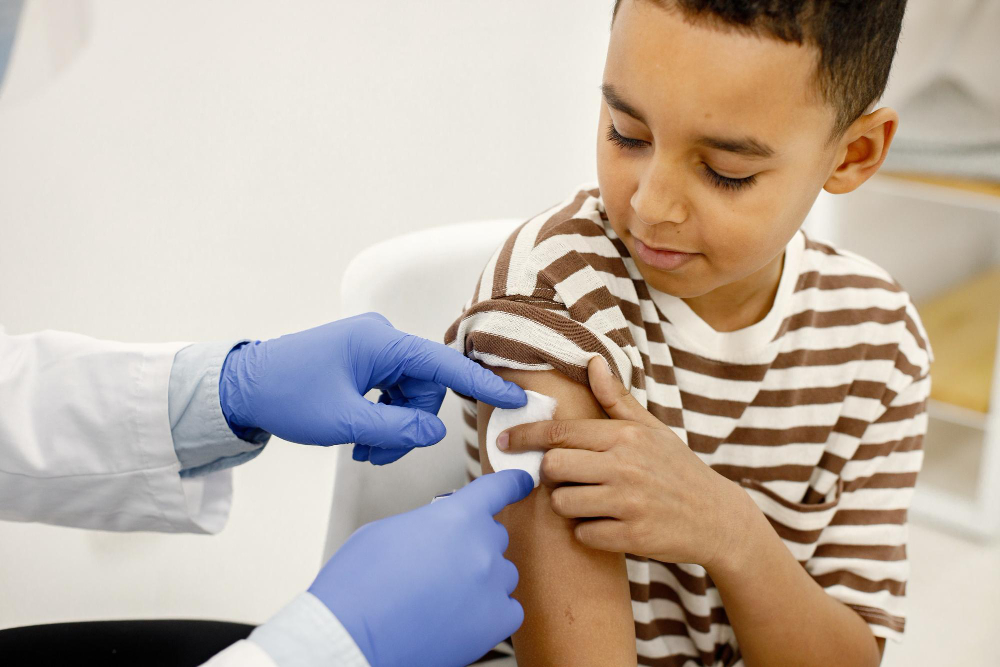
Every year, many children get sick during seasonal changes. This is when the flu virus spreads easily. That is why flu vaccination matters during seasonal changes in children. Getting a flu vaccine for kids helps protect them from illness. It also keeps families and communities safer. In this blog, you will learn why flu shots are important, how they work, and how to keep your child healthy during flu season.
What is the Flu?
The flu, or influenza, is a common virus. It affects the nose, throat, and sometimes the lungs. Children can catch the flu easily, especially in crowded places like schools. Symptoms often include:
Most children recover in a week or two. However, some may get very sick and need medical care. According to the CDC, the flu can lead to serious problems, especially in young children.
Why Are Children at Higher Risk During Seasonal Changes?
During seasonal changes, the weather shifts quickly. As a result, viruses like the flu spread faster. Children are at higher risk because their immune systems are still growing. Also, they spend time in groups at school or daycare. This makes it easier for germs to pass from one child to another. For example, sharing toys or touching the same surfaces can spread the flu. Therefore, protecting children during these times is very important.
How Does the Flu Vaccine Work?
The flu vaccine helps the body fight the flu virus. It teaches the immune system to recognize and attack the virus if your child is exposed. Because the flu virus changes each year, the vaccine is updated yearly. After getting the shot, it takes about two weeks for the body to build protection. So, getting the child flu shot before flu season starts is best. This gives your child the best chance to stay healthy.
Benefits of Flu Vaccination for Children
Flu vaccination offers many benefits for children. Some of the main advantages include:
According to the World Health Organization, flu vaccines save lives and prevent hospital visits. In addition, seasonal flu prevention in children helps keep communities healthier.
Common Myths and Facts About Flu Vaccination
Many parents worry about the flu vaccine. However, most concerns are based on myths. Let’s look at some common myths and the real facts:
Therefore, it is safe and wise to get your child vaccinated each year.
When and Where Should Children Get Vaccinated?
It is best to get the flu vaccine before the start of flu season. In most places, this means getting the shot in early fall. However, it is never too late to get protected. You can get a flu vaccine for kids at:
If you live in a city or rural area, ask your doctor about local options. Many clinics offer free or low-cost flu shots for children.
Tips for Parents: Preparing Your Child for Flu Season
Getting ready for flu season can help your child stay healthy. Here are some simple tips:
Most children feel fine after the shot. But if you have concerns, call your doctor for advice.
Prevention Beyond Vaccination: Healthy Habits for Kids
While the flu vaccine is the best protection, healthy habits also help. Teach your child to:
These steps, along with the child flu shot benefits, lower the risk of getting sick. Together, they help keep your family safe during seasonal changes.
Conclusion
In summary, flu vaccination matters during seasonal changes in children. It protects your child, your family, and your community. Because the flu can be serious, taking simple steps like getting a flu vaccine for kids is important. For more information, consult your pediatrician Dr. Praveen Dharaskar to learn more about flu vaccination for your child.