
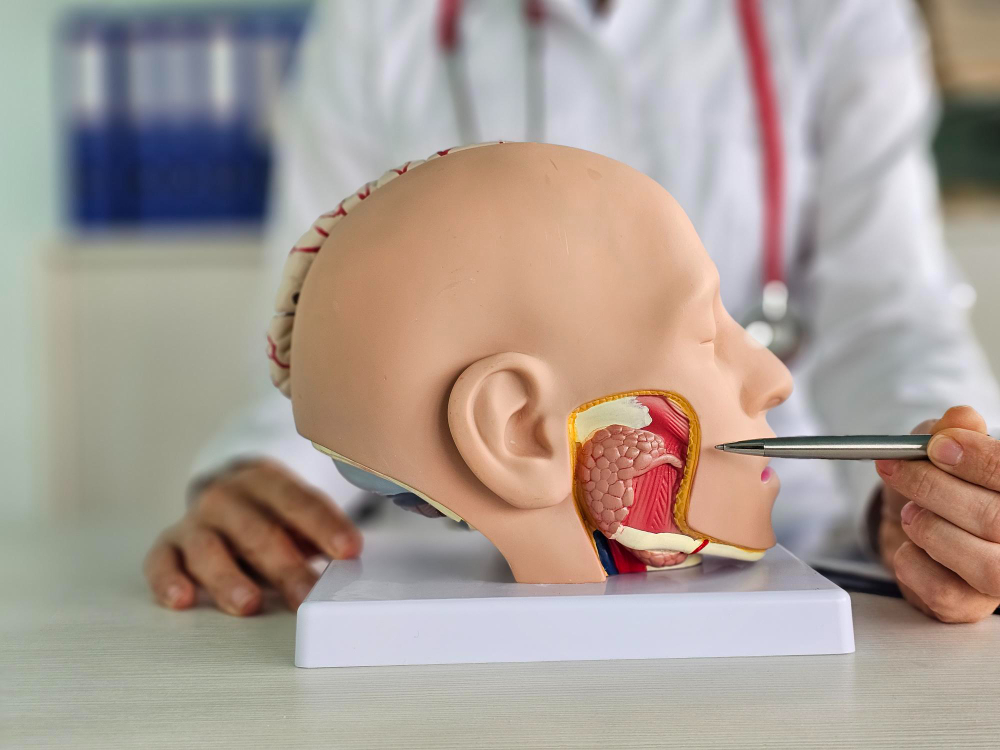
Enlarged adenoids are a common issue in children. Adenoids are small glands located at the back of the nose, above the throat. They help fight germs and support a child’s immune system. However, sometimes adenoids become swollen or enlarged. This can lead to breathing problems, sleep issues, and other health concerns. In this blog, we will explain the symptoms, causes, diagnosis, and treatment of enlarged adenoids in children. We will also share tips for parents and answer common questions.
Symptoms of Enlarged Adenoids
Enlarged adenoids can cause several noticeable symptoms in children. Early recognition is important. Look for these common signs:
Causes of Enlarged Adenoids
Many factors can cause adenoids to become enlarged. Most often, infections are the main reason. When a child has a cold or throat infection, the adenoids may swell as they fight germs. Sometimes, allergies can also make adenoids bigger. In rare cases, enlarged adenoids may be due to other health conditions. However, most children outgrow this problem as their immune system matures.
How Enlarged Adenoids Are Diagnosed
Doctors use several methods to diagnose enlarged adenoids. First, they will ask about your child’s symptoms and health history. Next, they may look inside your child’s mouth and nose. Sometimes, a small mirror or a flexible camera (called an endoscope) helps the doctor see the adenoids. In some cases, an X-ray of the head or neck is needed. These tests are quick and safe for children. According to the American Academy of Pediatrics, these steps help doctors decide the best treatment.
Treatment Options for Enlarged Adenoids
Treatment depends on how severe the symptoms are. For mild cases, doctors may suggest simple steps. However, if problems continue, more treatment may be needed. Common options include:
Home Care and Prevention Tips
Parents can help their children feel better at home. Here are some practical tips:
When to See a Pediatrician
Sometimes, enlarged adenoids need medical attention. If your child has trouble breathing, pauses in breathing during sleep, or frequent ear infections, see a pediatrician. Also, if symptoms last more than a few weeks or get worse, it is important to seek help. Early treatment can prevent complications and help your child feel better.
Frequently Asked Questions About Enlarged Adenoids
Can enlarged adenoids go away on their own?
Yes, in many cases, enlarged adenoids shrink as children grow older. However, if symptoms are severe, treatment may be needed.
Is surgery always needed for enlarged adenoids?
No, surgery is not always required. Doctors often try medicines or other treatments first. Surgery is only suggested if other options do not work.
Are enlarged adenoids dangerous?
Usually, enlarged adenoids are not dangerous. But, they can cause problems like sleep apnea or repeated infections if left untreated.
How long does recovery take after adenoid surgery?
Most children recover from adenoid surgery within one to two weeks. During this time, rest and soft foods can help healing.
Can allergies cause enlarged adenoids?
Yes, allergies can make adenoids swell. Managing allergies can help reduce symptoms and prevent future problems.
Consult Dr.Praveen Dharaskar for personalized advice if you suspect your child has enlarged adenoids.