Overview of Pneumonia and Common Cold in Children
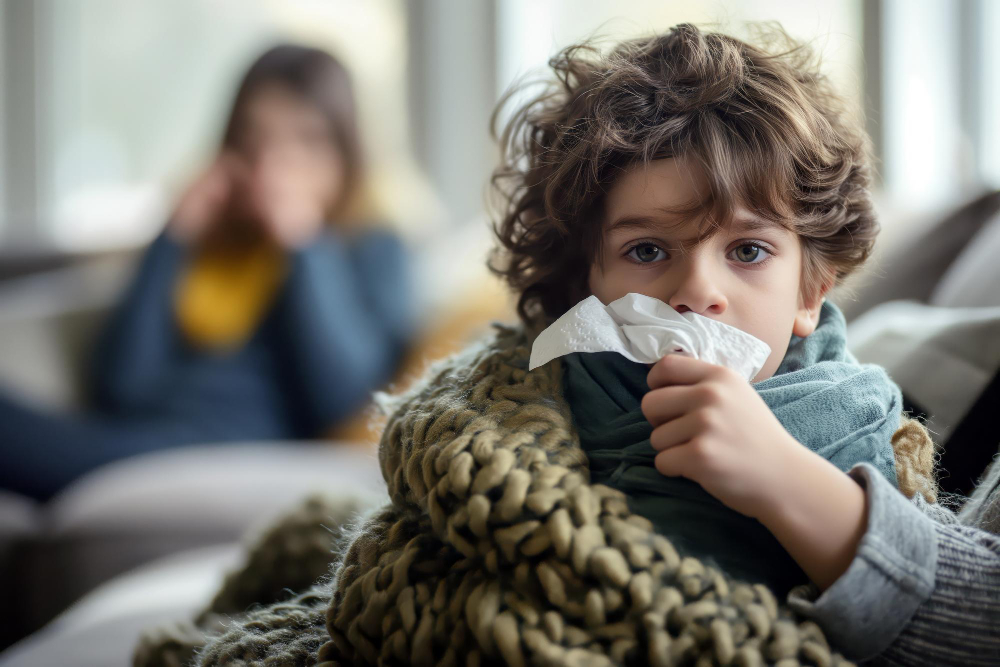
Many parents worry when their child gets sick. Sometimes, it is hard to know if it is just a cold or something more serious like pneumonia. The difference between pneumonia and cold in kids can be confusing. Both illnesses affect the lungs and airways, but they are not the same. Pneumonia is an infection that causes the air sacs in the lungs to fill with fluid. On the other hand, the common cold is a mild infection of the nose and throat. According to the CDC, colds are much more common in children than pneumonia. However, knowing how to tell if child has pneumonia or cold is important for quick care.
Key Symptoms: Comparing Pneumonia and the Common Cold
At first, both conditions may look similar. Still, there are key signs that set them apart. For example, pneumonia symptoms in children are usually more severe than cold symptoms. Here is a simple way to compare them:
Sometimes, pneumonia can start after a cold. But if your child has trouble breathing or a high fever that does not go away, it may be pneumonia. Always watch for these warning signs.
Causes and Risk Factors
Both illnesses are caused by germs, but the type of germ is often different. For instance, most colds come from viruses like rhinovirus. Pneumonia can be caused by viruses, bacteria, or even fungi. Children under five years old are at higher risk for both. However, some factors make pneumonia more likely:
In contrast, the common cold spreads easily in crowded places, such as schools or daycare centers. But good handwashing can help lower the risk.
How Doctors Diagnose Pneumonia vs Common Cold in Kids
Doctors use different steps to find out if your child has pneumonia or a cold. First, they ask about symptoms and do a physical exam. They listen to the child’s chest with a stethoscope. If they hear crackling or wheezing, it may be pneumonia. Sometimes, doctors order a chest X-ray to check for lung infection. Blood tests or mucus samples may also help. For the common cold, extra tests are usually not needed. Most colds get better on their own. However, if symptoms are severe, your doctor may want to rule out pneumonia.
Treatment Options for Each Condition
Treatment depends on the cause and how sick your child is. For the common cold, rest and fluids are best. Over-the-counter medicines can ease symptoms, but antibiotics do not help with viruses. On the other hand, pneumonia treatment may include:
Sometimes, children with severe pneumonia need hospital care. But most kids recover at home with the right treatment. Always follow your doctor’s advice.
Home Care and Lifestyle Tips
While your child recovers, home care is very important. For both pneumonia and colds, you can help by:
Sometimes, children may need extra help with breathing. In that case, your doctor may suggest special treatments. But most children get better with simple care at home.
Prevention Strategies for Parents
Preventing both pneumonia and the common cold is possible with a few steps. For example, the CDC and WHO recommend these tips:
By following these steps, you can help lower the risk of both illnesses. Always talk to your doctor if you have concerns about your child’s health.
Conclusion
If you are unsure about your childs symptoms or need guidance, schedule a visit with Dr. Praveen Dharaskar. Early advice from our clinic can help your child recover safely.