
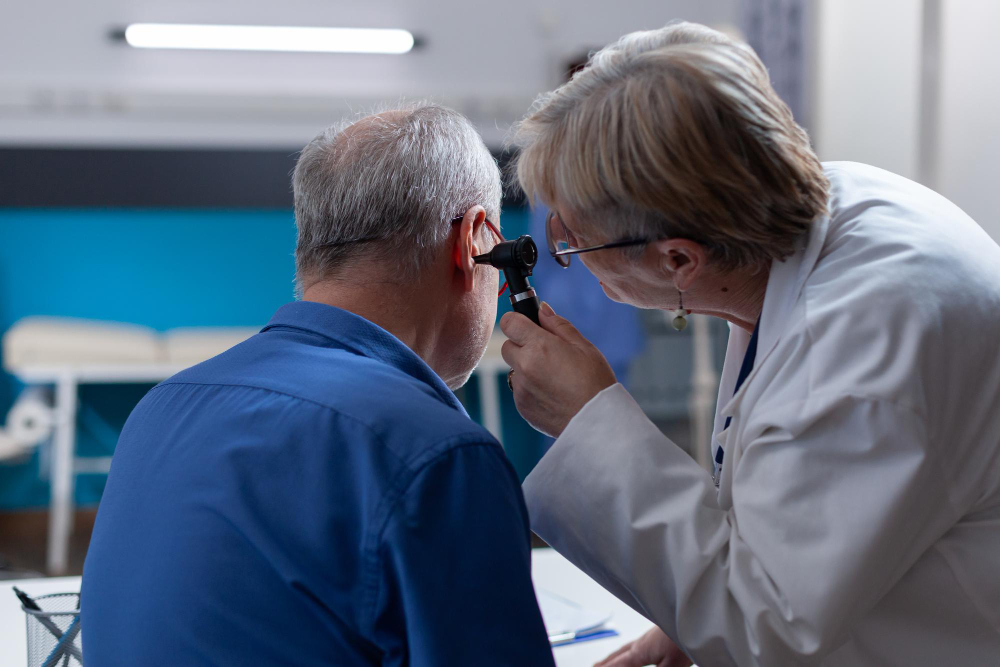
What Is a Hearing Assessment in Children?
Hearing assessment in children checks how well a child hears sounds. Early testing helps find hearing problems before they affect speech or learning. For example, a pediatric hearing screening uses simple tests to see if your child responds to sounds. These tests are safe and painless. In many cases, doctors use them during regular checkups. However, some children may need extra tests if there are concerns. Parents often wonder when to test a child’s hearing. Knowing what to expect can help you feel more prepared.
Why Early Hearing Assessment Matters
Early hearing checks are very important for your child’s growth. If a child cannot hear well, they may have trouble learning to talk. As a result, they might struggle in school or with friends. Early testing can catch problems before they get worse. According to the CDC, children who get help early often do better in life. In addition, early treatment can improve speech and language skills. Therefore, regular hearing checks help children reach their full potential.
Key Signs and Symptoms That Indicate a Hearing Assessment Is Needed
Sometimes, signs of hearing loss in children are easy to miss. Still, parents and caregivers can watch for these signs:
For instance, if your child shows any of these signs, a hearing test is a good idea. Sometimes, teachers may notice problems in the classroom. In such cases, a hearing assessment can help find the cause.
Common Causes of Hearing Loss in Children
Many things can lead to hearing loss in children. Some causes are present at birth, while others develop later. Here are some common reasons:
Although not all causes can be prevented, early testing helps find problems quickly. The World Health Organization notes that early care can make a big difference.
Recommended Ages and Situations for Pediatric Hearing Screening
Experts recommend hearing checks at certain ages. For example, the CDC suggests:
Sometimes, children may need more checks if they have frequent ear infections or a family history of hearing loss. In these cases, early testing can help catch problems sooner.
How Hearing Assessments Are Performed in Children
Doctors use different tests based on your child’s age. For newborns, a small device measures the ear’s response to sound. This test is quick and does not hurt. For older babies and toddlers, doctors may watch how your child reacts to sounds or voices. In some cases, children wear headphones and listen for beeps. If your child is older, they may press a button when they hear a sound. Because these tests are simple, most children can complete them easily. However, some children may need more than one type of test for clear results.
What to Do If a Hearing Problem Is Detected
If a hearing problem is found, do not worry. Many children with hearing loss can still learn and grow well. Next steps may include seeing a hearing specialist or getting more tests. Sometimes, doctors suggest hearing aids or other devices. Early support helps children develop speech and language skills. In some cases, therapy or special classes may help. Above all, regular follow-ups make sure your child gets the best care possible. Consult Praveen Dharaskar for hearing assessments